

By Wanda Boyer
At this time of year, children and youth may be transitioning to new life experiences and events. Some experiences and events may be exciting, surprising, and joyous, while other life situations may be unpredictable, demanding, and viewed negatively. These latter events can make a child or youth feel that their life is permanently and in all situations out of their personal control. They may even feel that it’s all their fault. This is where play therapy may help.
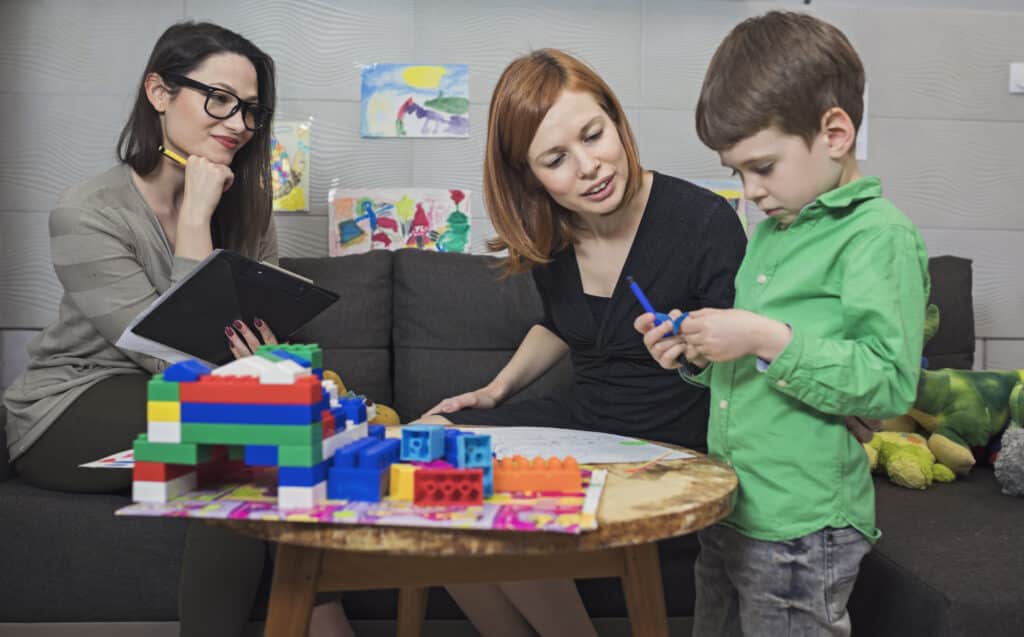
Play therapy is a therapeutic approach that taps into a child’s or youth’s symbolic and non-verbal abilities. When a child or youth creates a world in a sand tray, or through expressive arts or other play therapeutic experiences, it enables them to process general feelings of anxiety as well as feelings such as sadness, anger, or grief about events or situations in their life.
The play therapy journey begins with a parent intake session that enables you as parents to discuss your child’s or youth’s living and learning context, their strengths and abilities, and their concerns and needs. You’ll also have an opportunity to share your loving concerns, your goals, and your first priority goal for your child’s or youth’s play therapy.
Play therapy is a gentle experiential process that provides your child or youth with a safe space to refine, discover, or develop ways of being in the world. Over time, this can help your child or youth to demonstrate their ability to make trustworthy decisions, to create strong and positive relationships, and to manage feelings about their life or life events with dignity.
Further reading about sandtray-based play therapy in particular can be found in Wanda’s recent journal paper in the World Journal for Sand Therapy Practice™.
Wanda Boyer is a Certified Play Therapist (CPT) and Registered Clinical Counsellor with NeurAlive, and she is also a Professor Emerita with the University of Victoria.