

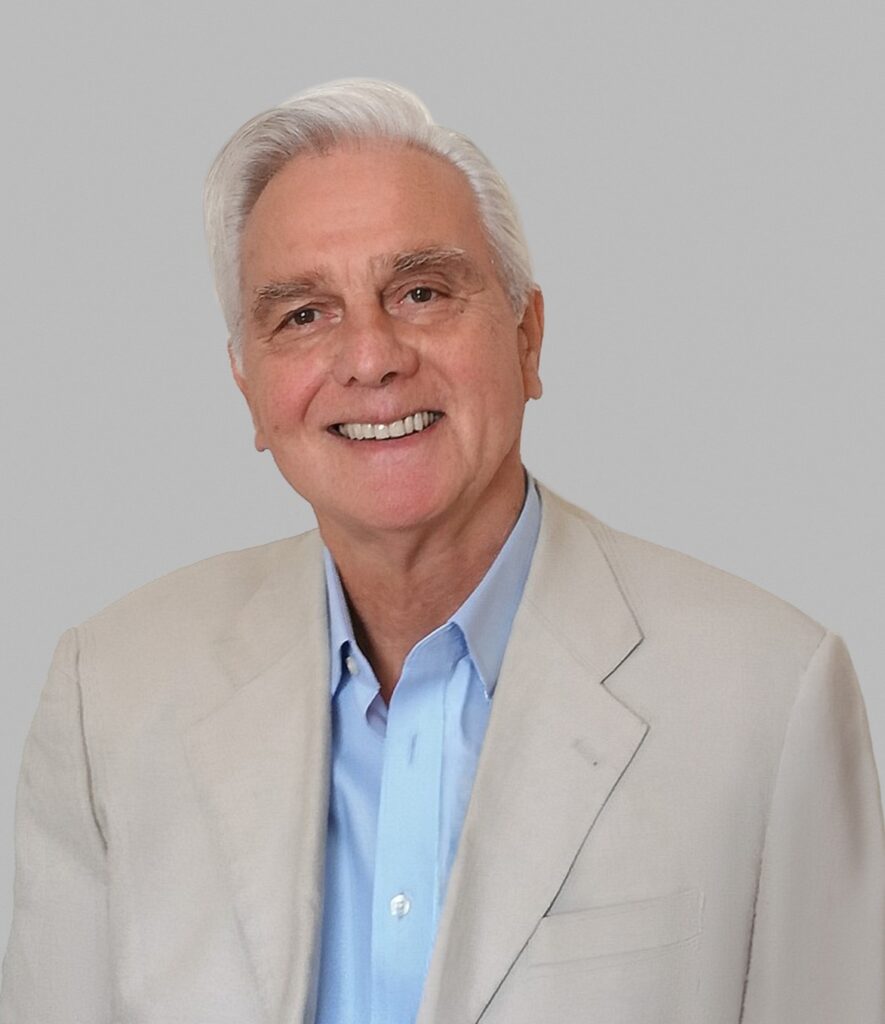
About Graham Bleasdale, MA RCC
Registered Clinical Counsellor
Life can feel overwhelming at times, and having someone outside of our immediate circumstances to talk with can make a meaningful difference.
My priority is to provide a confidential, non-judgmental, and supportive space where you can speak openly about what you’re experiencing, make sense of the challenges in front of you, and gain a deeper understanding of the experiences and beliefs that have shaped who you are today.
My approach to counselling is collaborative and practical, grounded in the belief that each person brings their own experiences, strengths, and perspective to therapy. I aim to meet you where you are while helping you identify what matters to you and the changes you would like to make.
The following are key focus areas of my practice:
ADHD: ADHD can affect much more than attention or focus, influencing organization, time management, motivation, impulsivity, relationships, and emotional regulation. I bring both professional knowledge and lived experience of ADHD to my work, giving me a personal understanding of many of the challenges that can come with it. My approach includes practical strategies for managing everyday difficulties, along with mindfulness-based approaches to strengthen awareness, attention, and presence. I also believe it’s important to recognize the strengths that can accompany ADHD, including creativity, curiosity, spontaneity, and seeing things from a different perspective.
Anxiety: Anxiety can leave us anticipating what might go wrong, replaying situations in our minds, or feeling unable to switch off from worry. It can arise around relationships, work, school, health, major decisions, or uncertainty about the future. I use mindfulness and cognitive approaches to help clients better recognize patterns of thought and reaction, develop greater self-awareness, and respond to difficult thoughts and emotions with more flexibility and intention.
Self-Esteem & Relationship with Self: The way we relate to ourselves can influence our confidence, relationships, decisions, and overall well-being. My work in this area explores personal strengths, values, expectations, and the experiences that have shaped how you see yourself. Developing a healthier relationship with yourself isn’t about becoming someone different, but gaining a clearer understanding of who you are, what matters to you, and how you want to live. As our choices become more aligned with our values, this can help build greater self-acceptance, confidence, and a stronger sense of self.
Relationships & Couples: Relationships can be deeply rewarding, but they can also bring difficult emotions, recurring conflict, disconnection, and vulnerability to the surface. My relationship work is influenced by Emotionally Focused Therapy (EFT), which looks beyond conflict to understand the emotions, needs, and patterns underneath it. Developing greater awareness of these patterns and learning to communicate more openly can help build understanding, emotional safety, and connection. I work with both individuals experiencing relationship concerns and couples wanting to better understand and strengthen their relationship.
Men’s Mental Health: Men can sometimes feel pressure to manage difficulties on their own, push through what they’re experiencing, or avoid talking openly about emotions and vulnerability. I offer a straightforward, non-judgmental space to explore concerns such as stress, anxiety, relationships, self-esteem, loneliness, work and family pressures, fatherhood, separation or divorce, identity, and life transitions. Counselling can also provide an opportunity to consider larger questions around direction, meaning, and what you want from the next stage of your life.
Older Adults, Grief & Life Transitions: Different stages of life can bring significant change, including retirement, changing family roles and relationships, grief and loss, changes in health or independence, and questions about identity, purpose, and what comes next. I enjoy working with older adults and providing a thoughtful, respectful space to navigate these experiences and explore what continues to provide meaning, connection, and purpose. I also work with adults of all ages experiencing grief, loss, major transitions, or periods when life has taken an unexpected direction.
Therapeutic Approach: Mindfulness-Based Cognitive Therapy (MBCT), Family Systems Therapy, Emotionally Focused Therapy (EFT), and Humanistic Therapy.
I am an integrative counsellor, which means I draw from different therapeutic approaches based on the individual, their circumstances, and what they hope to gain from counselling. There is no single approach that works for everyone. I believe counselling is most helpful when it respects the individuality, experiences, strengths, and values of the person seeking support.
Populations: Youth (16+), Adults, Older Adults, Parents, and Couples.
Areas of Support: Anxiety, Depression, ADHD, Self-Esteem, Grief & Loss, Substance Use & Compulsive Behaviours, Life Transitions, and Relationship Support.
Education & Experience: I am a Registered Clinical Counsellor (RCC) with the BC Association of Clinical Counsellors and have over five years of counselling experience. Before becoming a counsellor, I worked as a teacher, and I also hold a Master of Arts in the social sciences. Alongside my education and professional experience, I bring considerable life experience to my counselling work. I believe this has helped shape an approach that is practical, compassionate, curious, and grounded in an understanding that people’s lives and experiences rarely fit neatly into one category.
Beyond the Work: Outside of counselling, I enjoy spending time in nature, whether walking along the beach or getting out on my bike. Family is an important part of my life, and becoming a grandfather has brought a new and meaningful chapter. Music is another important part of my life, and playing the piano provides a creative and emotional outlet. I value the simple things that help us slow down, stay connected, and find balance in everyday life.